Data for search and AI visibility that goes beyond the surface
Visibility is multilayered. So should the data you build your analysis on. Get that depth across multiple dimensions



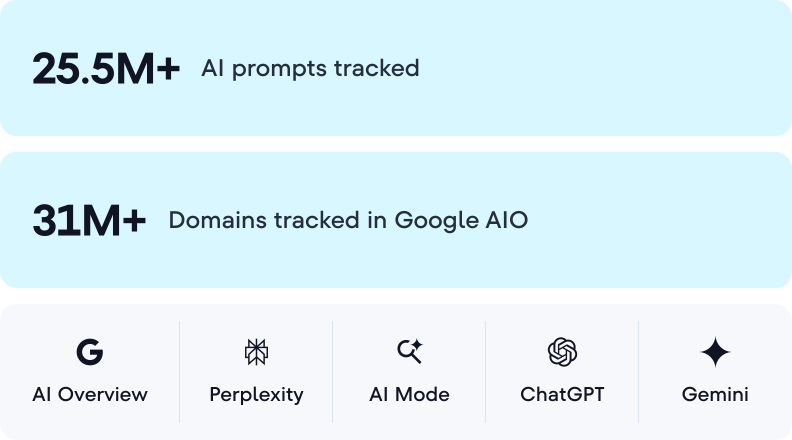
AI visibility data structured for patterns, trends, and insights
25.5M+ prompts tracked across 5 AI engines
Prompt-level data on mentions, cited sources, and links
Competitor benchmarking across all supported engines
Monthly data refresh and historical trends
Full data access via AI Search API
Keyword data at scale to support cross-market analysis

Proprietary crawlers
We continuously crawl search results pages, building data from the source rather than relying on third-party feeds.

Individual search volume
Keywords aren’t grouped. Each term’s search volume is calculated independently, giving you cleaner data for analysis.

Growing database
Coverage across 188 locations, with depth at each. 5.4B keywords across with 2.2 billion domain profiles.
Now let the numbers speak for themselves
 Australia
 Canada
 New Zealand
 United Kingdom
 USA
USA Andorra
 Austria
 Belgium
 Denmark
 Estonia
 Finland
 France
 Germany
 Iceland
 Ireland
 Italy
Italy Liechtenstein
 Luxembourg
 Netherlands
 Norway
 Poland
 Portugal
 Romania
 Slovakia
 Slovenia
 Spain
Spain Sweden
 Switzerland
 Afghanistan
 Albania
 Algeria
 American Samoa
 Angola
 Anguilla
 Antigua And Barbuda
 Argentina
 Armenia
 Azerbaijan
 Bahamas
 Bahrain
 Bangladesh
 Belize
 Benin
Benin Bhutan
 Bolivia
 Bosnia & Herzegovina
 Botswana
 Brazil
 British Virgin Islands
 Brunei
 Bulgaria
 Burkina Faso
 Burundi
 Cambodia
 Cameroon
 Cape Verde
 Central African Republic
 Chad
Chad Chile
Chile China
China Colombia
 Cook Islands
 Costa Rica
 Cote d'Ivoire
 Croatia
 Cyprus
 Czechia
 Democratic Republic Of The Congo
 Djibouti
 Dominica
 Dominican Republic
 Ecuador
 Egypt
Egypt El Salvador
 Ethiopia
 Federated States of Micronesia
 Fiji
Fiji Gabon
Gabon Gambia
 Georgia
 Ghana
Ghana Gibraltar
 Greece
 Greenland
 Guadeloupe
 Guatemala
 Guyana
 Haiti
Haiti Honduras
 Hong Kong
 Hungary
 India
India Indonesia
 Iraq
Iraq Israel
 Jamaica
 Japan
Japan Jersey
 Jordan
 Kazakhstan
 Kenya
Kenya Kiribati
 Kuwait
 Kyrgyzstan
 Laos
Laos Latvia
 Lebanon
 Lesotho
 Libya
Libya Lithuania
 Madagascar
 Malawi
 Malaysia
 Maldives
 Mali
Mali Malta
Malta Mauritius
 Mexico
 Moldova
 Monaco
 Mongolia
 Montenegro
 Montserrat
 Morocco
 Mozambique
 Myanmar
 Namibia
 Nauru
Nauru Nepal
Nepal Nicaragua
 Niger
Niger Nigeria
 Niue
Niue Norfolk Island
 North Macedonia
 Oman
Oman Pakistan
 Palestinian Territory
 Panama
 Papua New Guinea
 Paraguay
 Peru
Peru Philippines
 Pitcairn Islands
 Puerto Rico
 Qatar
Qatar Reunion
 Rwanda
 Saint Helena
 Saint Vincent and the Grenadines
 Samoa
Samoa San Marino
 Sao Tome and Principe
 Saudi Arabia
 Senegal
 Serbia
 Seychelles
 Sierra Leone
 Singapore
 Solomon Islands
 Somalia
 South Africa
 South Korea
 Sri Lanka
 Suriname
 Taiwan
 Tajikistan
 Tanzania
 Thailand
 Togo
Togo Tokelau
 Tonga
Tonga Trinidad and Tobago
 Tunisia
 Turkey
 Turkmenistan
 Turks and Caicos Islands
 U.S. Virgin Islands
 Uganda
 Ukraine
 United Arab Emirates
 Uruguay
 Uzbekistan
 Vanuatu
 Venezuela
 Vietnam
 Zambia
 Zimbabwe
 Europe
 North America
 Oceania
 South America
 Africa
 Asia
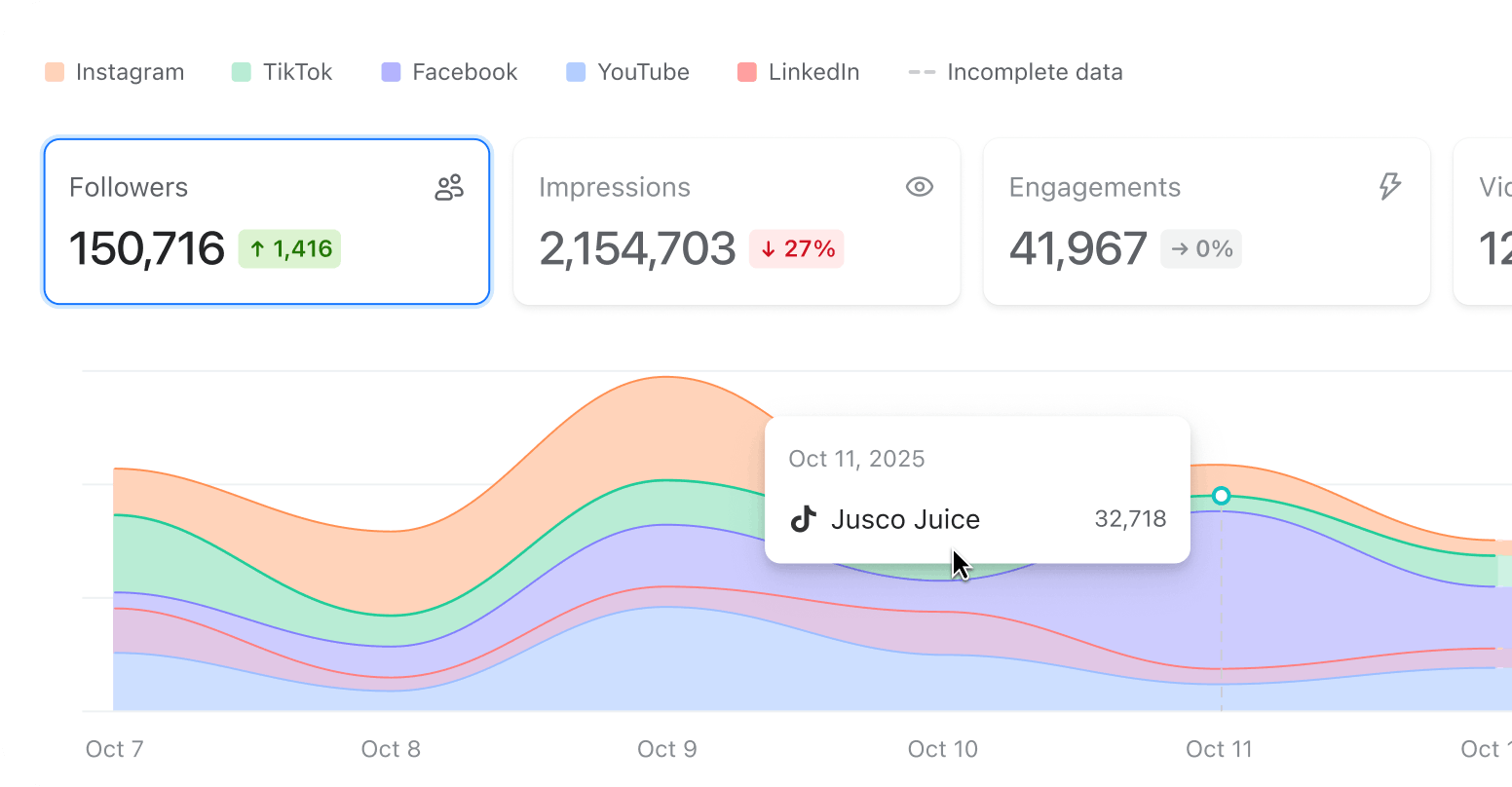
AsiaAdd social to your data picture
Bring social analytics into the mix with Planable to better prove the value of your visibility. Get one more layer alongside search and LLMs
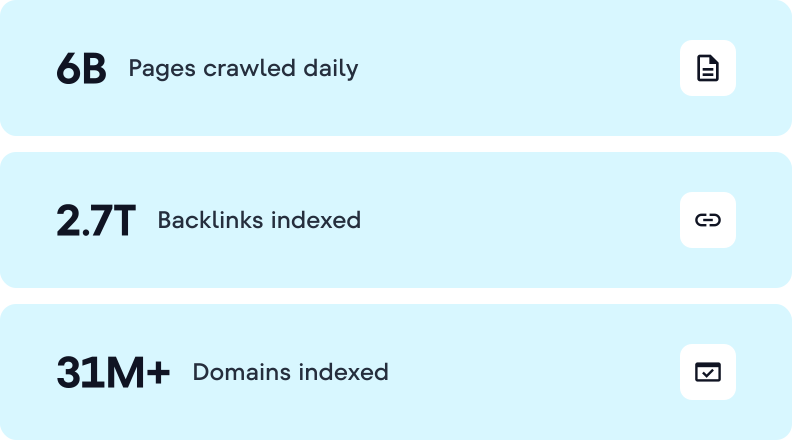
Backlink data for deep analysis across client portfolios
Fresh backlink data to work on, with new links identified continuously
Rapid updates to filter irrelevant backlinks and calculate accurate Domain Trust
Continuously expanding index, actively crawled at scale across the web
Toxicity scores, dofollow/nofollow ratios, and quality metrics at the link level
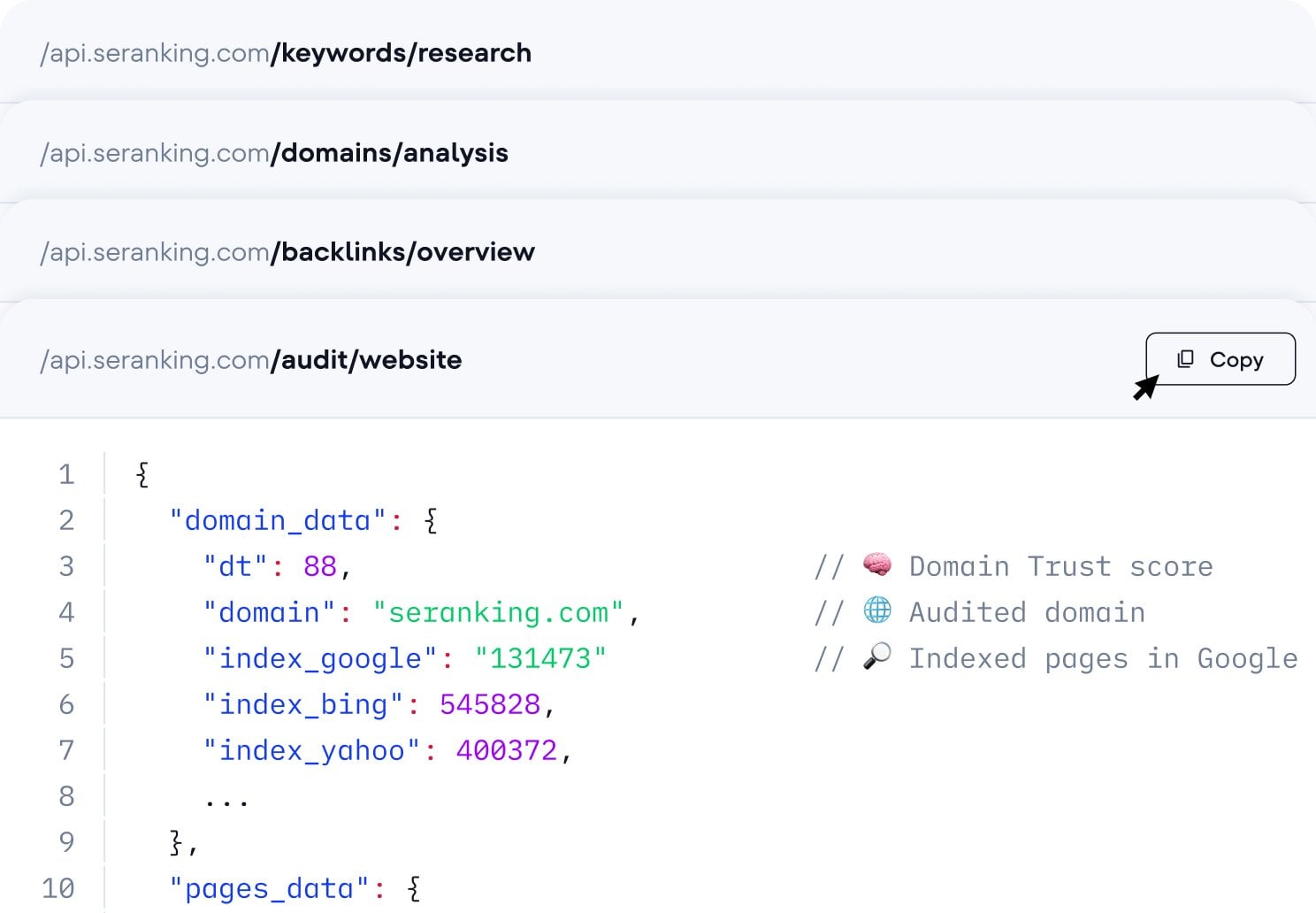
Integrate SE Ranking data into your own stack to scale your efforts
Query across 5 data categories, including keywords, domains, backlinks, AI search, and site audit
Quickstarts for AI visibility analysis, competitive research, link building, and reporting
Pull historical data and trend analysis directly into your own reporting environment
Connect with the tools your team is already using: Data Studio, Make.com, n8n, and MCP
What makes SE Ranking data reliable?
Reliability comes down to how data is collected and maintained. The data you’re working with is collected and maintained directly. SE Ranking runs its own crawlers across all core datasets, applies AI and ML algorithms to calculate accurate metrics, and continuously expands coverage.
How large is SE Ranking’s keyword database?
The keyword database currently spans 5.4 billion keywords across 188 geographic databases, with 2.2 billion domain profiles indexed. Coverage varies by market. For example, the US database holds 584M keywords, the UK 755M, Germany 667M. The full breakdown by country is available in the table above. The database is actively maintained and continues to grow.
How large is the backlinks index?
The backlink index currently covers 2.7T backlinks across 420M indexed domains, with 6B pages crawled daily. Beyond scale, the index is structured around four data quality dimensions: freshness (58% of backlinks updated within 90 days), relevance (fast update cycles), completeness (expanding coverage), and granularity (metrics and scores at the link level).
Does SE Ranking provide AI search data?
Yes. SE Ranking tracks AI search visibility across five engines (ChatGPT, Google AI Overview, Google AI Mode, Perplexity, and Gemini) with 25.5 million prompts tracked monthly. The data is collected at the prompt level, covering mention rates, citation presence, cited sources, links, and traffic signals. You can also run competitive analysis and track trends.
What can I do with the Data API?
The Data API provides programmatic access to the same data layers available in the platform. It’s designed for teams building custom dashboards, integrating search and AI visibility data into proprietary reporting workflows, or running analysis at a scale that requires direct data access rather than platform UI. Quickstarts are available for common use cases, including AI visibility analysis, competitive research, link building, and reporting.
Can I use SE Ranking data in my own dashboards?
Yes. The Data API is specifically designed for this. Endpoints cover all core data categories, and the API returns structured data formatted for integration into external systems. For teams with custom infrastructure, direct API integration is documented in full, including authentication, rate limits, and endpoint-level credit costs.